Commercial Waste in Addiscombe for regular collections and one-off clearances
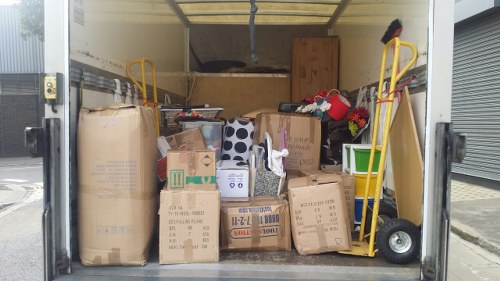
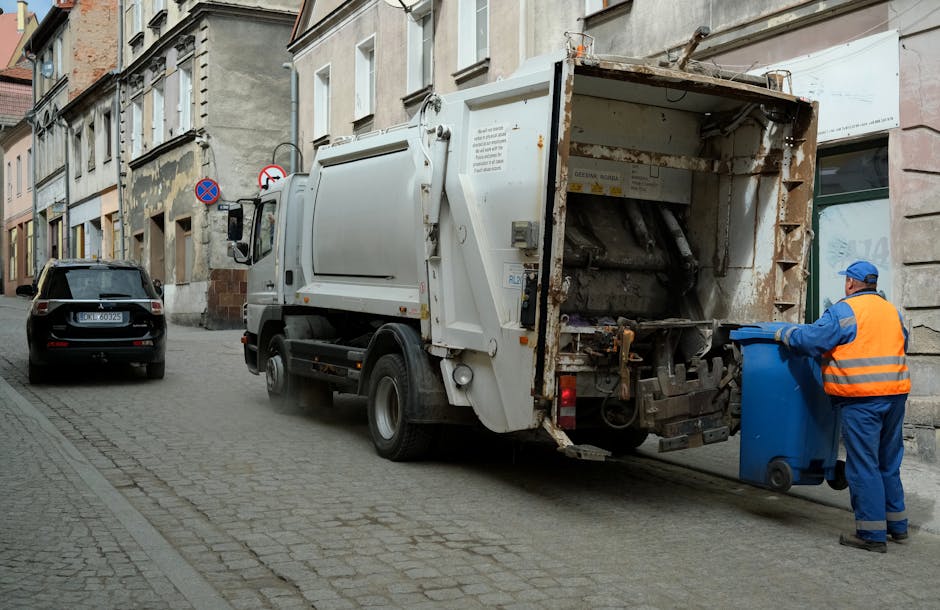
Commercial waste in Addiscombe needs a service that is practical, tidy and suited to the way local businesses work. We handle business waste removal for shops, offices, workshops, small hospitality premises and shared workspaces, with collection arranged around the material you need taken away and the access available on site. The aim is straightforward: keep waste moving out of the property without disrupting the working day or leaving you with cluttered storage areas.
Our work covers mixed commercial waste, office clearances, bulky items and segregated recyclable material, with options that can be matched to the kind of premises you operate. Where a job calls for a fuller clearance rather than a routine collection, we can group the work into a single visit and remove items from accessible rooms, rear storage or loading points. For many customers, the important part is having a clear, predictable way to deal with waste that has built up faster than expected.
If you need commercial waste removed in Addiscombe, start by identifying the main waste streams and the access available, then request a quotation when you are ready.
Business waste removal arranged around your premises
Business waste removal is most useful when it is organised to fit the size and rhythm of the premises rather than forcing everything into a one-size-fits-all collection. We can help with recurring waste from day-to-day activity as well as ad hoc loads after refits, stock changes or clear-outs. The work may include bagged refuse, packaging, outdated display material, office contents or general items that no longer belong on site. A well-planned collection helps keep back rooms, corridors and work areas usable.
Different sites produce different waste in different quantities, so the service needs enough flexibility to handle mixed loads without turning the job into a lengthy sorting exercise on your part. Where useful, we can separate materials that are suitable for recycling from items that need a different route. If you are comparing collection choices, it may help to think first about volume, access and whether the material is light, bulky or awkward to move.
Office clearances and workplace removals
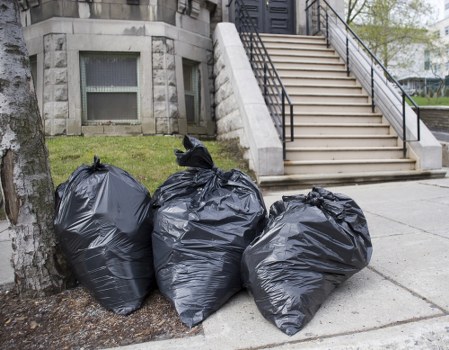
Office clearance work often involves a mix of furniture, filing, cupboards, monitors, small fittings and ordinary refuse left behind after downsizing, reconfiguration or an end-of-lease tidy. We remove items from offices and shared work areas with an approach that keeps the space workable while the clearance is taking place. That is especially useful where desks, cabinets and boxed material are all in the same room and need separating into what stays and what goes.
Office clearance is most effective when the layout is considered before the collection begins. Narrow stairwells, lift access, shared corridors and limited parking can all affect how a job is organised, so the work is planned to suit the building rather than rushed through it. If there are items you want to keep in place, it is often best to leave them clearly separated so the team can focus on the unwanted materials.
For office and workplace removals, business waste removal and waste removal can cover the broader mix of items that often builds up alongside formal office furniture. Tell us what needs taking away, and request a quotation when you are ready.
Bulky items, furniture and specialist disposal
Some commercial jobs are not about loose rubbish at all, but about moving bulky furniture and specialist items out of circulation safely and in one coordinated visit. That can include tables, seating, shelving, cabinets, reception items and other fixed or freestanding pieces that are no longer needed. We also handle furniture disposal and related removals where the material is too large for normal bins and requires careful lifting or carrying through the building.
Furniture clearance can be useful when an entire room, suite or storage area has to be emptied rather than just a few individual pieces removed. If upholstered items, office seating or other larger objects are involved, it is worth grouping them into the same enquiry so the collection can be organised efficiently. In some cases, a broader home clearance style of service is not the right fit for a business site, so the scope needs to stay commercial and specific.
About Addiscombe
Addiscombe is a district in the London Borough of Croydon, in south London, with a character shaped by suburban growth, transport links and the wider borough around it. Historically it developed from a rural settlement into a built-up residential area, especially during the nineteenth and early twentieth centuries as rail and tram connections encouraged expansion across this part of London. The area sits close to Croydon town centre, yet it has its own streets, local shops and community facilities that give it a distinct everyday feel. Addiscombe Road is one of the better-known through routes, linking the district into surrounding neighbourhoods and carrying much of the local movement that defines the place today. The area also sits within reach of well-used green spaces such as Ashburton Park and other open areas across Croydon, which help balance the more densely built streets with places for recreation. Much of Addiscombe is made up of terraces, semidetached homes and later residential infill, alongside local parades, schools and churches that reflect the district’s long development. Like many parts of inner and outer London, it combines older building stock with newer alterations and a practical, lived-in streetscape. The result is a place that feels settled rather than monumental: not defined by one landmark alone, but by the way its roads, housing, shops and transport corridors fit together into an ordinary yet recognisable part of the city.
Commercial waste collection for mixed loads and sorted material
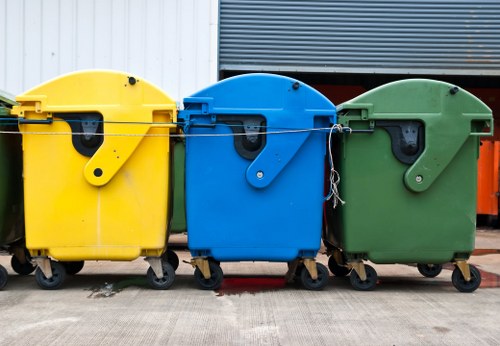
Commercial premises often generate a combination of waste types rather than one simple stream, so the collection needs to cope with mixed loads sensibly. We can remove bagged general waste alongside cardboard, packaging, unwanted fixtures and other items that are taking up room on site. When material is already separated, that can make the visit quicker; when it is mixed, the focus is on keeping the process orderly and leaving the area ready for normal use again.
Recycling and sustainability is relevant when you want to think beyond a basic uplift and make sensible choices about what can be diverted from general waste. Not every load will be uniform, and not every item belongs in the same stream, so practical sorting matters. For businesses that produce regular waste, it can be helpful to review whether the current set-up matches the pattern of what is being thrown away.
If you already know the kind of material involved, a quotation is easier to shape. Use the service page that fits the work best, then ask for a price based on the waste type, access and quantity.
Office furniture, filing and confidential material
Office clearances can involve more than chairs and desks. Filing cabinets, shelving, pedestals, archive boxes and loose paperwork often need removing together, particularly when a room is being repurposed or emptied between occupiers. We can deal with the physical items that take up floor space and, where relevant, the more routine waste left behind after the useful furniture has gone. That helps keep the job practical rather than making you organise multiple separate removals.
Confidential shredding is a useful route where paperwork needs a more careful approach than ordinary office waste. Not every clearance includes sensitive documents, but when it does, it is sensible to separate those papers from general rubbish before the rest of the load is moved. Using the right route for the right material supports a cleaner and more organised clearance overall.
Where furniture is still serviceable, some businesses prefer to plan the clearance around the items first, then deal with the leftover waste in a second step. That approach can be easier than treating every object as the same category, especially in older offices where storage rooms have accumulated a varied mix over time.
Bulky disposal from storage rooms, garages and back-of-house areas
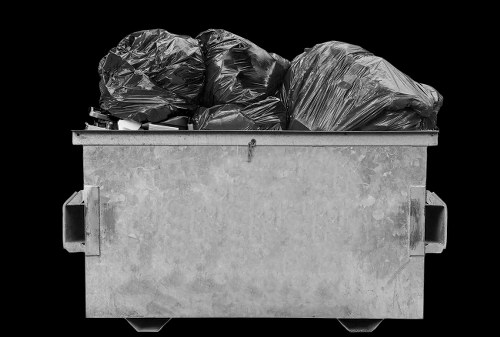
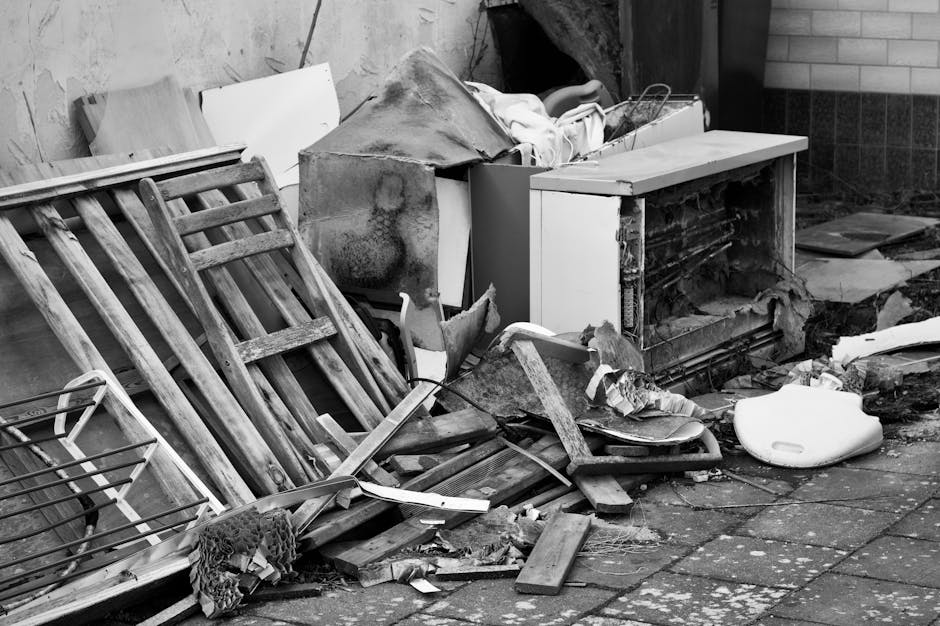
Storage rooms and back-of-house areas often collect bulky items that are awkward to deal with through ordinary refuse channels. We remove unwanted stock fittings, broken equipment, packaging, redundant containers and other pieces that have remained on site because they were not urgent enough to move earlier. This kind of work is often simpler when the room is already identified and the materials are grouped before the collection begins.
Garage clearance can be a useful comparison point for commercial storage spaces because the practical challenge is similar: awkward access, mixed contents and bulky objects that are not suited to a standard bin. If your premises has a lock-up, rear store or utility room that has become overfilled, a targeted clearance can be more sensible than trying to handle it as general rubbish. Loft clearance is another example of a space where access and carrying distance matter, although commercial sites often present their own version of the same problem.
For business customers, the main decision is usually whether the area needs a straightforward uplift or a more complete emptying. Once that is clear, the job can be organised to suit the material, the route out of the building and the amount of lifting involved.
How to prepare a quotation for commercial waste
A good quotation starts with practical information rather than a long description. The most useful details are the type of waste, the approximate quantity, any larger items, and whether there are stairs, lifts, loading bays or other access limits. If you know that part of the load needs a separate treatment, it helps to say so early. That is particularly true for mixed premises where office contents, general waste and bulky items are all being cleared together.
It also helps to identify any items that should stay on site, especially in rooms where keepers and removals are close together. Photos can make the arrangement easier to understand, but a clear written description is equally valuable. If you are comparing options, you do not need to overcomplicate the request; just explain the scope plainly and choose the service that best matches the load. Clear information saves time and keeps the quotation focused on the actual work.
Waste removal for furniture, appliances and mixed equipment

Many commercial clearances include items that are not quite waste, not quite furniture and not quite equipment, but a mixture of the three. Desks, storage units, small appliances, broken fittings and redundant display items can all appear in the same room. Our waste removal service is designed to take those combined loads away in a practical way, rather than forcing you to split each item into a separate removal if it all needs to go.
Fridge and appliance removal is relevant where catering, break-room or back-office equipment needs taking out alongside ordinary waste. For larger or mixed furnishings, mattress and sofa disposal may be useful if the material includes soft furnishings, while furniture disposal suits desks, chairs and other items that still need a clear end-of-life route. If the site is being emptied more widely, a broader flat clearance or house clearance style of wording may appear on the site, but the commercial job should always be described on its own terms.
Choosing the right service for your site
Not every business premises needs the same level of clearing. A small office may only need a one-off waste pickup, while a larger unit may need several categories of item removed in a single visit. The right choice depends on how much is being cleared, whether it is loose or bulky, and whether the site still needs to stay partly operational during the job. The more precise the scope, the easier it is to plan a sensible collection.
When you are ready to ask for help, it is usually best to start with the most relevant page and keep the request specific. For example, if you know the job is mainly office contents, use the office route; if it is mostly mixed commercial rubbish, use the general waste route; and if it is larger furniture, choose the furniture page. That keeps the enquiry clear and avoids paying for a broader service than you actually need. Request a quotation when the work is defined, and we will take it from there.