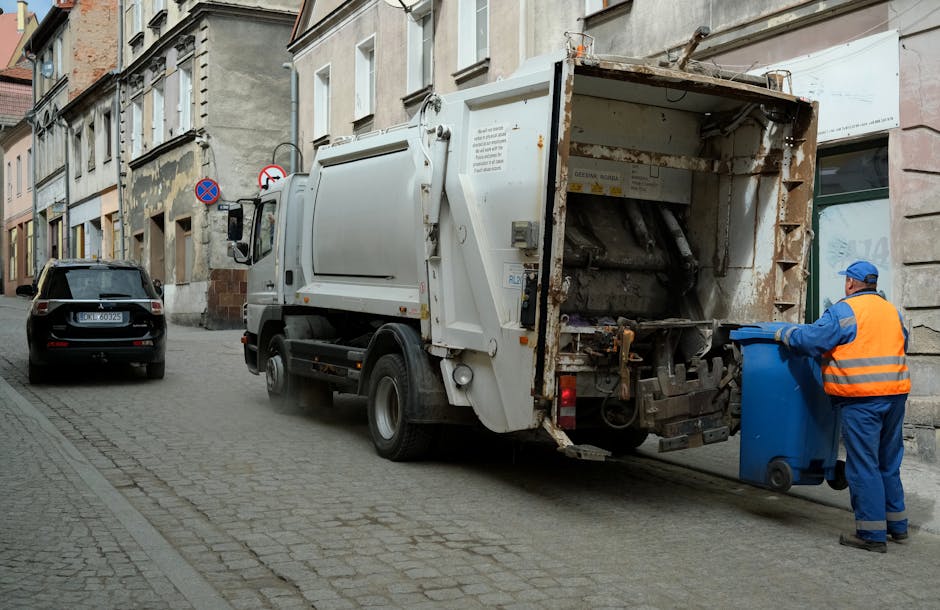
Rubbish Removal Guide for Lower Addiscombe Road
If you live, work, or manage property near Lower Addiscombe Road, rubbish has a way of building up faster than you expect. One box becomes three. A broken chair sits in the corner for weeks. Then the loft, garage, office, or hallway suddenly feels packed and awkward. This Rubbish removal guide for Lower Addiscombe Road is here to make the whole process feel less chaotic and much more manageable.
In plain English, this guide explains how rubbish removal works locally, what you can get rid of, what to watch out for, and how to choose the right clearance method for your situation. You will also find practical tips, a comparison table, a checklist, and answers to common questions people ask when they need waste gone quickly but properly. Because let's face it, nobody wants to spend a weekend doing endless tip runs if there is a simpler, safer option.
Why rubbish removal on Lower Addiscombe Road matters
Lower Addiscombe Road sits in a busy part of South London where homes, flats, small businesses, rental properties, and renovation projects often overlap. That mix matters because waste isn't just an eyesore; it can affect access, safety, neighbour relations, and how quickly a property feels usable again. A pile of bags by the front door or a stack of builder's offcuts in the driveway can become a real nuisance, especially where space is tight and parking is already at a premium.
There is also the practical side. If you are clearing a property, turning over a tenancy, moving office stock, replacing furniture, or tidying after works, you need a rubbish plan that fits the space and the deadline. A "sort it later" approach usually means more mess, more delay, and more lifting than you expected. Truth be told, rubbish always seems heavier on the second trip.
Local context matters too. On roads like Lower Addiscombe Road, waste has to be managed carefully so pavements, shared entrances, and access points stay clear. That is especially important in flats and terraced properties, where one awkward item can block everyone else's day. Good rubbish removal isn't only about getting rid of items; it is about doing it in a tidy, lawful, and neighbour-friendly way.
If you are dealing with mixed waste, large furniture, or a full property clearance, it may help to explore broader service pages such as waste removal, house clearance, or home clearance to see which option best matches the job.
How rubbish removal works
Rubbish removal is usually simpler than people think, but the details matter. The basic process starts with identifying what needs to go, estimating how much space it takes up, and checking whether any items need special handling. After that, you choose the right method: a collection service, a property clearance, a skip, or a specialist disposal route for certain items.
For many households and small businesses, the process looks something like this:
- Gather the waste in one place if possible.
- Separate general rubbish from reusable items, recyclables, and anything hazardous.
- Take photos or note the rough amount if you need a quote.
- Choose a time that avoids disrupting neighbours, staff, or access to the property.
- Make sure the collection point is easy to reach.
- Confirm what can and cannot be taken before the job starts.
That sounds straightforward, but the real-world version can get messy fast. A cupboard clear-out may uncover old paperwork, cracked appliances, damp cardboard, or paint tins from years ago. A kitchen replacement can leave bulky units, wrapping, and appliances all at once. An office clear-out tends to be different again, with shredding, shelving, chairs, and sometimes confidential material that shouldn't be dumped casually.
For those more specialised jobs, useful pages include office clearance, builders waste clearance, and garage clearance. If old sofas, beds, or wardrobes are the issue, mattress and sofa disposal and furniture disposal are often more relevant than a general tidy-up.
Key benefits and practical advantages
The biggest benefit of organised rubbish removal is obvious: your space becomes usable again. But there are a few more advantages that tend to show up only after the clutter is gone.
- Time saved: No need to load a car repeatedly, queue at a facility, or spend half the day sorting boxes.
- Less physical strain: Large items, damp bags, and awkward shapes are a lot easier to deal with when handled professionally.
- Better presentation: Useful for landlords, homeowners selling a property, and businesses that need a tidy front or work area.
- Improved safety: Less tripping hazard, fewer sharp edges, and fewer blocked walkways.
- More efficient sorting: Recyclable and reusable items can be separated properly instead of all going into one pile.
- Less stress: A clear plan reduces the last-minute panic of "where is all this going?"
There is also a psychological lift that people underestimate. A cleared hallway or freshly emptied room changes how a property feels. Quietly, almost instantly. You walk in, look around, and the place breathes again. That matters if you are preparing for tenants, a sale, a renovation, or even just reclaiming your own living room.
If sustainability is part of your decision, have a look at recycling and sustainability to see how a more responsible approach can support your clearance plans. And if you want to understand how pricing is usually handled, pricing and quotes is a useful place to start.
Who this is for and when it makes sense
This guide is useful for a surprisingly wide range of people. You might be a homeowner clearing out years of accumulated stuff. You might rent a flat and need to leave it presentable before check-out. You might run a small business and have old stock, broken furniture, or archived materials taking up valuable space. Or you might be halfway through a refurbishment and staring at a growing heap of offcuts, packaging, and unwanted fittings.
It tends to make sense when:
- the waste is too bulky for regular household bins
- you have mixed items that are awkward to separate on your own
- the job needs doing quickly
- you do not have the vehicle, labour, or time to transport items yourself
- you want a tidy, single-visit solution
- the property has stairs, narrow access, or limited parking
For flats, maisonettes, and smaller properties, flat clearance can be especially helpful because access is often the biggest headache, not the rubbish itself. In a loft, it is usually the lift of the bag, box, or old suitcase that becomes the issue. That is why loft clearance exists as its own service rather than just "general waste, but upstairs".
And if you are managing a business with regular waste needs rather than a one-off clearance, business waste removal is usually the better fit. Different job, different rhythm. Simple as that.
Step-by-step guidance
If you want the process to go smoothly, the best approach is to treat rubbish removal like a small project. Not glamorous, no, but effective.
- List the waste categories. Separate general waste, furniture, appliances, garden waste, building debris, documents, and anything hazardous.
- Decide what stays. It sounds obvious, yet people often throw "maybe useful later" items into the pile and regret it later on.
- Check for specialist items. Fridges, sofas, mattresses, electronics, and certain chemicals can need dedicated handling.
- Measure or estimate volume. Even a rough visual estimate helps you choose between a small load, a larger clearance, or a skip-style option.
- Prepare access. Move cars, unlock gates, clear hallways, and make sure the collection route is safe.
- Bag, stack, and label where useful. This makes collection quicker and helps avoid confusion about what is going.
- Confirm disposal expectations. Ask how recyclable material is sorted and whether the service can take the specific items you have.
- Schedule the collection. Pick a time that reduces disruption to neighbours, staff, or tenants.
- Do a final walk-through. Check under stairs, in cupboards, and behind doors. Hidden clutter is a classic move, apparently.
A good local waste collection service will usually help you figure out the practical parts before arrival. If you need a clear service pathway, you may also want to compare furniture clearance with home clearance so you are not overbooking or under-planning the job.
Expert tips for better results
Experience teaches a few small things that make a big difference. These are the bits people often miss the first time.
Tip 1: Put the most awkward items nearest the exit. A deep, narrow hallway with a mattress at the back will slow everything down. If you know which items are bulky, position them thoughtfully.
Tip 2: Don't mix wet waste with dry recyclables. Once cardboard gets soggy or food waste spreads, sorting becomes unpleasant very quickly. The smell can turn a tidy job into a less pleasant one, and nobody wants that by 9am.
Tip 3: Be honest about the volume. Underestimating waste usually creates a second collection or a longer on-site job. That's avoidable and, frankly, a bit annoying for everyone.
Tip 4: Keep documents and valuables separate. Old receipts, passports, bank letters, and personal records often appear in house clearances. If confidentiality matters, consider confidential shredding before anything leaves the property.
Tip 5: Handle appliances carefully. Fridges, freezers, and other white goods can require special handling. For that reason, fridge and appliance removal is worth considering instead of treating these items like ordinary bulky waste.
Tip 6: Don't ignore the admin side. Terms, insurance, payment, and safety all matter, especially if you are arranging clearance for a business or rented property. A few minutes spent checking details can save a lot of back-and-forth later. It's boring, yes. Still worth it.
Tip 7: Use the right route for the right waste. A garden tidy-up, a shed clear-out, and a loft emptying job all feel similar at first glance, but the best disposal plan changes with each one. For green waste and outdoor debris, garden clearance is often the most sensible route.
Common mistakes to avoid
The most common mistakes are usually very human. You are busy, the room is messy, and it is tempting to rush. That's where problems creep in.
- Leaving everything until the last minute. This usually turns a manageable job into a stressful one.
- Assuming every item can go together. Some items need special disposal, and not checking can cause delays.
- Blocking access with loose waste. Bags, screws, broken glass, and offcuts can make collection awkward or unsafe.
- Forgetting about hidden spaces. Cupboards, loft edges, under beds, and behind furniture are often full of extras.
- Using the wrong service type. A business clear-out is not the same as a one-off domestic waste collection.
- Not preparing for lifting. Heavy items without a clear route can lead to damage or injury.
- Ignoring the final inspection. People are always surprised by what is left behind. Always.
One practical example: a small office in a converted property may look almost empty at first, but once the filing cabinets, old monitors, chairs, and boxed archives are gathered together, the job becomes much larger than expected. That is why a service such as office clearance can be a better match than trying to improvise with multiple trips and general waste bags.
Tools, resources and recommendations
You do not need specialist equipment for every rubbish removal job, but a few basics make the process easier and safer.
- Strong bin bags or rubble sacks: Useful for general waste, soft clutter, and lighter mixed material.
- Gloves: Essential for sharp edges, dusty lofts, and old garden waste.
- Tape or labels: Helpful if you want to separate keep, donate, recycle, and remove piles.
- Dust sheets or cardboard: Good for protecting floors and hallways during clearance.
- Boxes or crates: Handy for documents, loose items, or small electronics.
- A torch: Very useful in lofts, garages, and dark corners. A surprisingly important little thing.
If you are deciding between a skip and a collection service, the page on what can go in a skip can help you understand what is typically suitable. That said, not every site or situation suits a skip, especially where access is narrow or parking is limited.
For more general support around how jobs are handled, it is also worth reading the provider's insurance and safety information and health and safety policy. Those pages help set expectations around responsible working practices, which is exactly what you want when rubbish is being moved through homes, communal areas, or workplaces.
Law, compliance, standards and best practice
Rubbish removal in the UK is not just a "get rid of it" activity. There are responsible disposal expectations around duty of care, safe handling, and keeping waste out of the wrong stream. You do not need to become a compliance expert, but you should expect waste to be handled by people who understand the basics and work in a sensible, documented way.
For a property owner or manager, the main things to think about are straightforward:
- make sure waste is passed to an appropriate handler
- keep hazardous items separate where required
- avoid fly-tipping or informal dumping
- store waste safely before collection
- be clear about who is responsible for each stage
Where commercial waste is involved, the standards are even more important. If rubbish comes from an office, shop, or other business premises, it should be treated as business waste rather than household waste. That affects handling, paperwork, and disposal expectations. If that sounds a bit dry, well, it is. But it matters.
It is also sensible to check terms before booking, especially if you are arranging clearance for a landlord, tenant, or business property. The pages on terms and conditions and payment and security are the kind of pages a careful customer actually reads, or at least skims with good intentions.
For organisations with broader ethical and governance concerns, you may also find modern slavery statement and about us useful for understanding the company's wider approach.
Options, methods and comparison table
There is more than one way to clear rubbish from Lower Addiscombe Road, and the right choice depends on volume, access, budget, and timing. A quick comparison helps make that decision less guessy.
| Method | Best for | Advantages | Possible drawbacks |
|---|---|---|---|
| Booked rubbish removal | Mixed household or business waste, bulky items, one-off clearances | Fast, convenient, less lifting for you, usually cleared in one visit | Needs clear access and accurate description of items |
| Skip hire | Projects with a steady stream of waste, especially building or garden work | Useful for ongoing loading, flexible during a project | Space needed, permits or placement issues may arise, you must load it yourself |
| Self-haul to a disposal site | Small loads and people with the right vehicle and time | Can be economical for tiny jobs | Time-consuming, physical effort, repeated trips, fuel and parking hassles |
| Specialist disposal | Fridges, mattresses, sofas, confidential paperwork, hazardous items | Better suited to item-specific handling and disposal | Not always covered by a general rubbish collection |
If you are working through a property after tenants leave, or if the waste is spread across several rooms, a full clearance route is often simpler than trying to cherry-pick individual items. That is where flat clearance and house clearance can be much more practical than piecemeal disposal.
Case study or real-world example
Here is a realistic example. A landlord on Lower Addiscombe Road needed a two-bedroom flat cleared between tenancies. The flat had a sofa, a mattress, a broken bedside table, a few bags of mixed rubbish, some old kitchen items, and several boxes from the loft cupboard. Nothing dramatic, just the usual accumulation that happens when a property is lived in for a while.
The first instinct was to split the job into separate trips, with the landlord doing some, the tenant doing some, and the rest being "sorted later". That would have meant more time, more lifting, and more chance of something being missed. Instead, the waste was grouped by type, the access route was cleared, and the job was handled as one organised clearance. The furniture went with the furniture route, the general waste was removed together, and anything sensitive was kept separate for shredding.
The result was a property that felt ready again much faster than if the work had been done in stages. No drama. No back-and-forth. Just a clear finish line, which is what people usually want once they have already had enough of the property itself.
This is a good reminder that the best rubbish removal plan is not always the cheapest on paper. Sometimes the smarter option is the one that reduces disruption, prevents mistakes, and gets you your space back without a week of half-finished effort.
Practical checklist
Use this checklist before your collection or clearance day. It keeps the process neat and avoids the classic "oh, I forgot about that" moment.
- Walk through every room, cupboard, loft, garage, and outdoor area
- Separate keep, donate, recycle, and remove items
- Remove personal documents, valuables, and medications
- Check for appliances that may need specialist handling
- Group bulky furniture together where possible
- Bag loose rubbish securely
- Keep access routes clear for lifting and carrying
- Make note of anything hazardous or uncertain
- Confirm timing, access, and collection details
- Do a final sweep before the team arrives
Quick takeaway: the cleaner the access and the clearer the sorting, the easier and faster the job will be. That sounds almost too simple, but it really does save time.
If you want a more tailored approach, you can also look at furniture clearance, garage clearance, or builders waste clearance depending on what has built up and where it is sitting.
Conclusion
A good rubbish removal plan for Lower Addiscombe Road should feel practical, local, and low-stress. Start by identifying what needs to go, match the job to the right removal method, and make sure access, timing, and item types are considered before collection day. That is the difference between a smooth clearance and a frustrating one.
Whether you are clearing a flat, a family home, a garage, a loft, or a business space, the aim is the same: remove the waste properly, protect the property, and get the place feeling workable again. In a busy London street, where space is limited and life does not pause for clutter, that matters more than people sometimes admit.
Get a free quote today and see how much you can save.
And if all you needed was a little clarity before getting started, hopefully you now have it. One good clear-out can change the feel of a whole week.
Frequently Asked Questions
What is the best way to arrange rubbish removal on Lower Addiscombe Road?
The best approach depends on the amount and type of waste. For mixed, bulky, or awkward items, a dedicated rubbish removal service is usually the easiest option. For ongoing building or garden work, a skip may suit better. The key is matching the method to the job rather than forcing one solution to do everything.
Can I put furniture and general rubbish together?
Often yes, but it depends on the service and the item types involved. Sofas, mattresses, and certain bulky items may need special handling, so it is worth checking in advance. Mixing everything without sorting can slow the collection down and may create avoidable issues.
Do I need to separate recyclables before collection?
It helps a lot, but you do not always need to sort every item perfectly yourself. If you can separate obvious recyclables, general rubbish, and special items, the job usually goes more smoothly. That said, a good provider should be able to advise you on what should be kept apart.
How do I know whether I need house clearance or simple rubbish removal?
If you are clearing several rooms, an entire property, or a mix of furniture and loose items, house clearance is usually the better fit. If you just have a smaller pile of waste or a few bulky items, rubbish removal may be enough. Think about scale first, then choose the service.
What should I do with old appliances?
Appliances like fridges, freezers, and washing machines should be handled carefully because they can require specific disposal arrangements. It is best to use a service that offers appliance removal rather than treating them as ordinary waste. That keeps the process safer and simpler.
Is rubbish removal suitable for flats and shared buildings?
Yes, very much so. In flats and shared buildings, access and timing matter even more, so organised collection is often easier than doing it yourself. Just make sure stairways, hallways, and entry points are kept clear.
How far in advance should I book?
If the job is time-sensitive, book as early as you can. For ordinary domestic clear-outs, a little lead time helps with access and planning. If you are in the middle of a move or a renovation, earlier is better, because things tend to get busier than expected.
Can rubbish removal handle office waste and confidential materials?
Yes, but confidential materials should be dealt with properly rather than simply mixed into general waste. For paperwork and sensitive files, a confidential shredding service is the safer route. Office furniture and mixed business waste may also need a business-focused service rather than a domestic one.
What happens if I have hazardous waste?
Hazardous items should not be mixed with ordinary rubbish. Paint, chemicals, solvents, and similar materials need specific handling. If you are unsure whether something counts as hazardous, ask before collection. A cautious answer is always better than a risky guess.
Are there any local access issues I should think about?
Yes. On a road like Lower Addiscombe Road, parking, stair access, shared entrances, and narrow paths can all affect how easily waste is removed. The smoother the access route, the quicker and tidier the job will be. A tiny bit of prep goes a long way.
Can I get rid of garden waste with the same service?
Often yes, especially for light green waste, bags of clippings, branches, and outdoor clutter. For more substantial outdoor jobs, garden clearance is usually more appropriate. It depends on the volume and the type of waste produced.
What should I check before booking a service?
Check what items are accepted, whether special waste is covered, how access works, and what the pricing structure includes. It is also sensible to review insurance, safety, payment, and terms. A quick read now is much easier than arguing later, which nobody enjoys.