Commercial Waste Addiscombe: Recycling and Sustainability
 Commercial Waste Addiscombe is committed to creating an eco-friendly waste disposal area and a practical, long-term approach to a sustainable rubbish area across the local business community. This page explains our recycling goals, how we link with local transfer stations, partnerships with charities and reuse networks, and the ways our low-emission fleet supports a greener Addiscombe. We partner with borough initiatives and tailor services for shops, offices, hospitality and light industrial sites to reduce landfill and increase reuse.
Our recycling percentage target is ambitious yet realistic. We aim for a 65% recycling rate for commercial waste by 2030, with intermediate milestones to track progress. Current mixed commercial recycling tends to be lower than household rates in the borough, so our operational plan focuses on segregation at source, materials recovery, and improved reporting. By emphasising source separation—glass, paper and card, food waste, and dry mixed recyclables—we support the borough's wider recycling strategy and help local businesses meet regulatory expectations.
 Working closely with nearby transfer facilities and reuse hubs is central to delivery. We regularly route materials via local transfer stations, including the Croydon transfer and recycling points and authorised borough reuse centres, to ensure faster sorting and lower haulage miles. These transfer stations act as consolidation points where mixed commercial collections are sorted into bulks for onward recycling or repair. That network reduces double handling, lowers emissions, and increases the proportion of waste that can be diverted from landfill.
We maintain active partnerships with local charities and social enterprises to maximise reuse and community benefit. Items such as office furniture, working electrical items and surplus textiles are redirected to accredited charity partners, furniture reuse organisations and community workshops. These collaborations not only extend product life-cycles but also support social outcomes like training and local employment. Our charity partnerships are audited to ensure items are safely refurbished or responsibly recycled when reuse is not possible.
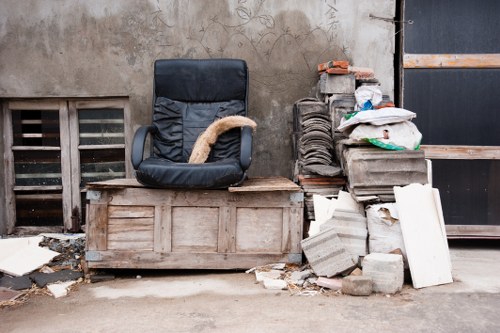 In practice, our sustainable rubbish area model includes a mix of dedicated containers and scheduled collections for different streams: glass; food and organic waste; mixed dry recyclables; hazardous smalls (batteries, lamps); and bulky items for reuse. Businesses in Addiscombe benefit from clear labelling and staff briefings to improve capture rates and reduce contamination. We also supply lockable enclosures and compact balers for cardboard where space allows, increasing recycling capture and reducing fly-tipping risks.
Our fleet strategy is designed to minimise carbon footprint. We operate low-carbon vans—electric and hybrid vehicles—on primary routes and use cargo bikes for short inner-borough collections where access is tight. Combined with optimised route planning and consolidation at transfer stations, these measures reduce emissions and traffic impact. We rigorously measure fuel use and emissions per tonne collected, with an aim to halve operational carbon intensity relative to a 2024 baseline by 2030.
How we support the borough's waste separation approach
Clear separation policies are key to improving recycling quality. We align with the borough’s approach to waste separation by providing tailored containers and staff training that reflect local kerbside models—separating food waste, paper and card, mixed recycling and residual refuse. For business hubs and commercial properties, we deploy recycling champions and periodic audits to keep contamination low and recovery rates high. Regular reporting makes progress transparent and actionable.
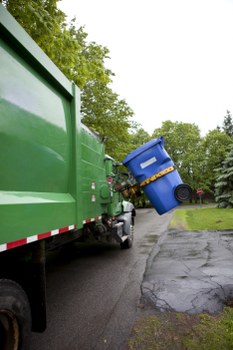 Operationally, low-contamination loads mean higher recycling yields. We work with local transfer stations to ensure materials are graded correctly and routed to the most appropriate reprocessors. To encourage circularity, we promote procurement choices that favour recyclable or reusable materials and help businesses set up internal reuse protocols—such as the redistribution of surplus office supplies and equipment to community partners.
Delivering measurable, sustainable outcomes
Commercial rubbish Addiscombe focuses on practical, measurable improvements:- Targeted segregated collections to hit the 65% recycling goal
- Consolidation via local transfer stations to reduce haulage emissions
- Partnerships with accredited charities to maximise reuse
- Investment in low-carbon vans and non-polluting last-mile solutions
- Ongoing monitoring, contamination controls and business engagement
