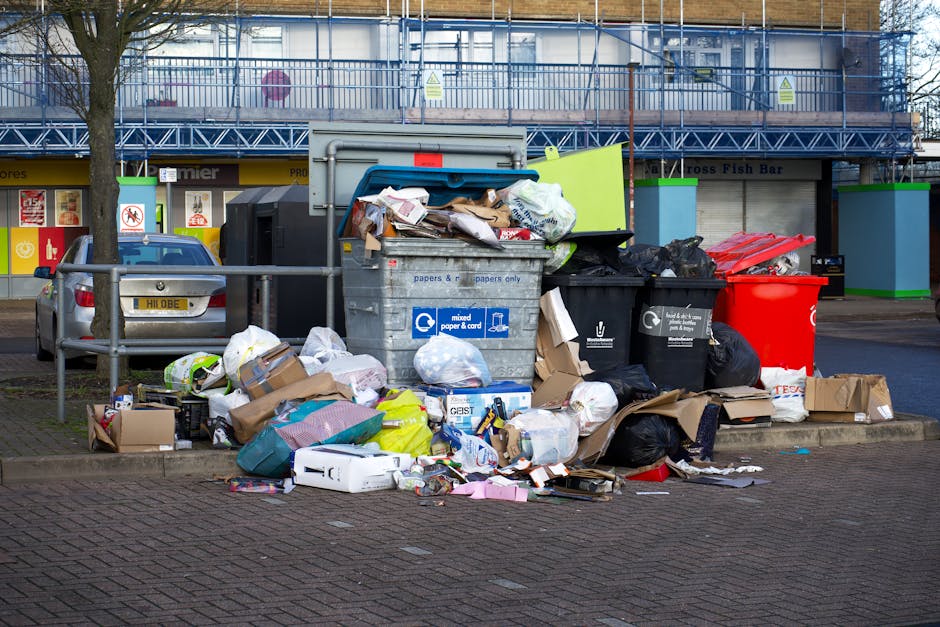
What to know about rubbish collection on Bingham Road Addiscombe
If you live or work near Bingham Road in Addiscombe, rubbish collection can feel simple until it suddenly isn't. A bulky sofa appears by the front door, the bins are already full, or building waste has piled up after a quick renovation. That is usually when people start asking what to know about rubbish collection on Bingham Road Addiscombe, and for good reason. The right approach saves time, reduces stress, and helps you avoid the awkward bits: missed collections, messy kerbside storage, or waste that should have been handled differently in the first place.
This guide breaks down how rubbish collection typically works in this part of Addiscombe, what matters most on a busy residential road, and how to choose the best approach for household, flat, garden, or trade waste. You'll also find practical steps, common mistakes to avoid, and a simple checklist you can use before booking anything. Let's keep it plain English. No fluff.
Why What to know about rubbish collection on Bingham Road Addiscombe Matters
Bingham Road is the kind of place where waste problems are easy to spot and harder to ignore. Rows of homes, shared access points, parked cars, narrow clearances, and the general rhythm of local traffic all make collection day a bit more sensitive than the average driveway pickup. If waste is left in the wrong place, it can block footpaths, annoy neighbours, attract pests, or simply sit there longer than you'd like. Nobody wants that smell on a warm afternoon, honestly.
Understanding your rubbish collection options matters because not every load is the same. A standard bin collection is fine for everyday household waste, but it is not built for a cracked wardrobe, garden cuttings after a weekend tidy-up, or the leftovers from a house move. On a street like Bingham Road, that difference really matters. The more you know upfront, the fewer surprises later.
There is also a practical side. Proper collection keeps a property tidier, supports recycling, and reduces the chance that waste ends up being handled badly. That is especially important if you manage a rental, run a business from home, or are clearing out a flat. In those cases, the right service is less about convenience and more about keeping the whole job under control.
Expert summary: The best rubbish collection plan is the one that matches the type of waste, the access at your property, and the speed you need. On Bingham Road, that usually means planning a little ahead and avoiding last-minute guesswork.
How What to know about rubbish collection on Bingham Road Addiscombe Works
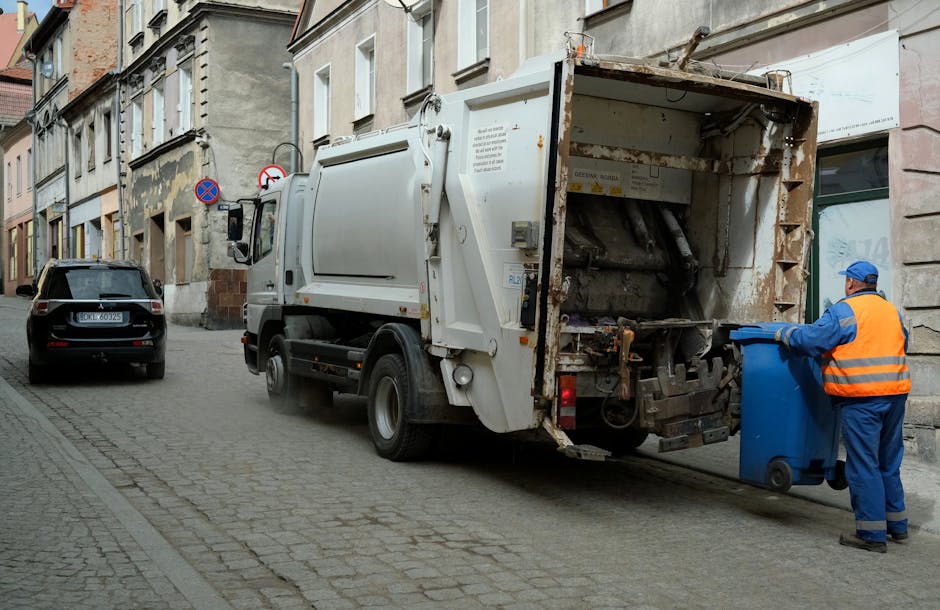
In simple terms, rubbish collection works by matching the waste to the right collection method. For routine household rubbish, that might mean standard council collection in the usual bins. For larger, mixed, or awkward items, a private waste removal service may be a better fit. If you are clearing a flat, an office room, a garage, or a garden, the waste usually needs sorting into what can be recycled, what must be disposed of separately, and what might need special handling.
On a road like Bingham Road, access often shapes the service as much as the waste itself. Can a vehicle park safely nearby? Is there space to carry items without blocking doors or pavements? Are there stairs, a narrow hallway, or shared access to think about? These are the sort of real-world details that determine whether a collection is easy, awkward, or somewhere in between.
For bigger or mixed clearances, a service such as waste removal can be useful because it handles varied loads in one go. If your rubbish is mainly from a move, a declutter, or an inherited property, a broader service like home clearance or house clearance may be the better fit. Truth be told, the right label matters less than the outcome: getting the waste gone properly, quickly, and without drama.
If you are dealing with specific items, you may also need a more focused collection route. Large upholstered items often suit mattress and sofa disposal, while electrical items may need appliance-focused handling such as fridge and appliance removal. That distinction helps with safe handling and proper recycling. Nice and tidy.
Key Benefits and Practical Advantages
There are a few obvious benefits to getting rubbish collection right, but the less obvious ones matter too. Here is what people usually notice once they stop trying to manage everything themselves.
- Less clutter at the property: Waste does not linger in hallways, front gardens, or shared spaces.
- Better use of time: You avoid multiple trips to a tip or recycling centre.
- Cleaner access for neighbours: Important on a residential road where pavements and parking space are already at a premium.
- More predictable handling: You know what will be collected, when it will go, and how it will be dealt with.
- Improved recycling potential: Mixed waste can often be separated more carefully than a rushed DIY clear-out.
There is also peace of mind. If you are clearing up after builders, sorting out a tenant move-out, or simply dealing with a long-overdue declutter, a proper collection lets you move on. That sounds small, but when you are standing in a room full of bags and half-disassembled furniture, it feels pretty big.
Businesses and landlords tend to value another benefit: consistency. With a planned collection, you are less likely to have waste hanging around and causing complaints. If that sounds relevant, business waste removal is worth considering for recurring or commercial volumes. It is a cleaner way to stay on top of things, especially if the job repeats every week or month.
Who This Is For and When It Makes Sense
This topic matters to far more people than you might expect. Rubbish collection on Bingham Road Addiscombe is relevant if you are:
- a homeowner clearing old furniture or general household rubbish
- a tenant moving out of a flat and needing a fast empty-out
- a landlord or letting agent dealing with leftover items after a tenancy
- a tradesperson removing builders' waste from a small renovation
- a small business owner clearing stock, packaging, or office clutter
- someone tackling the loft, garage, shed, or garden in one weekend
It makes sense whenever the waste is too bulky, too mixed, or too much for normal bin collection. It also makes sense when you do not want to spend your Saturday ferrying bags and broken bits around in the back of a car that now smells faintly of damp cardboard. We have all been there.
For example, a flat clear-out in Addiscombe may only need a few large items removed, while a family home in the same area might produce a more varied load: old chairs, bagged rubbish, appliance waste, and a few awkward items from the loft. That is when a more complete service such as flat clearance or loft clearance can be more sensible than trying to stitch together half a solution yourself.
Step-by-Step Guidance
If you want a straightforward way to approach rubbish collection on Bingham Road, use this sequence. It keeps the job sensible and stops small mistakes turning into expensive ones.
- Identify the waste type. Separate general rubbish, furniture, electrical items, garden waste, builders' waste, and anything potentially hazardous.
- Estimate the volume. A few bags is very different from a full room of clutter. Be honest here; it saves time later.
- Check access. Think about stairs, tight corridors, parking, and whether items need to be carried through shared spaces.
- Decide on the collection method. Standard bin service, one-off collection, or a more complete clearance may be the right fit.
- Separate special items early. Fridges, mattresses, sofas, and anything classed as hazardous should be identified before the day arrives.
- Prepare the load. Keep walkways clear, bundle smaller items, and make sure anything left outside is safe and easy to lift.
- Confirm timing and expectations. Make sure everyone involved knows what is being taken and what is not.
A good rule of thumb: if you are hesitating over an item for more than a few seconds, set it aside and ask whether it needs separate handling. That tiny pause can prevent a lot of hassle.
For mixed jobs, it can help to look at supportive services too. A garden tidy-up may suit garden clearance, while old chairs, tables, or wardrobes may fit furniture clearance or furniture disposal. If you are unsure, it is usually better to group items by material and size first, then decide.
Expert Tips for Better Results
Small details make a big difference. Here are a few practical tips that tend to make rubbish collection smoother on streets like Bingham Road.
- Use one staging area: Put all waste in one place if you can, so nothing gets forgotten under a staircase or in a shed corner.
- Take photos before booking: Even a quick phone photo can help you judge volumes more accurately.
- Group by type: Keep electricals, furniture, cardboard, and general waste separate where possible.
- Lift with access in mind: A clear hallway matters as much as the item itself.
- Think about timing: Early collections can make life easier if parking is tight or if neighbours share access.
One practical observation from real-life clearances: the messiest jobs often start with "it's only a few bits." Then you open the cupboard, the loft hatch, and suddenly the story changes. A bit of planning prevents that familiar domino effect. Not glamorous, but effective.
If you are trying to make the job more efficient, a service like builders waste clearance can be the right move after decorating, ripping out old fittings, or doing light construction work. Similarly, if the issue is a garage that has become a storage cave over the years, garage clearance may give you the cleanest result.
Common Mistakes to Avoid
A lot of rubbish collection problems are self-inflicted, to be fair. The good news is they are easy to avoid once you know what to look for.
- Leaving special waste in with general rubbish: Fridges, chemicals, paint, and similar items often need different handling.
- Underestimating the volume: This causes delays, extra visits, or unnecessary stress on the day.
- Blocking access points: A pile in front of the door or on a narrow pavement can cause a headache quickly.
- Forgetting awkward items: Mattresses, sofas, and appliances often get left until last.
- Not checking what is included: If a collection only covers certain waste types, mixed loads can become complicated.
Another common one is waiting until the bins are overflowing before deciding what to do. By then, the job feels twice as big. It usually is not. It just feels that way because the room is giving you the side-eye.
Avoiding these mistakes is especially important if you are arranging a bigger property clear-out. Services such as house clearance or home clearance are much easier to manage when the waste is sorted first rather than being presented as one giant mystery pile.
Tools, Resources and Recommendations
You do not need a warehouse full of equipment to manage rubbish well. A few simple tools and habits usually do the trick.
- Sturdy bin bags and boxes: Useful for separating small items, cardboard, and loose rubbish.
- Gloves and basic protective gear: Handy for sharp edges, dusty lofts, and garden waste.
- Tape measure: Helps when checking whether furniture or appliances are likely to fit through doorways.
- Phone camera: Good for recording what needs removing and avoiding miscommunication.
- Labels or sticky notes: Simple, but useful if several people are helping sort items.
For specific items, use the service pages that best match the task. Mattress and sofa disposal is ideal for bulky upholstered waste. Fridge and appliance removal works better for electricals and white goods. And if the job is really about emptying a property from top to bottom, loft clearance or garage clearance may be the most sensible starting point.
There is also value in reading practical policy pages when you want reassurance. The site's pages on recycling and sustainability, insurance and safety, and health and safety policy are useful if you want a clearer feel for how waste handling is approached. That kind of transparency matters.
Law, Compliance, Standards, or Best Practice
Waste collection in the UK is not just about getting things off the property. It also sits within a wider framework of responsible handling, duty of care, and safe disposal practices. You do not need to memorise the legal detail to make a sensible decision, but you should understand the basics.
In practical terms, the main point is this: waste should be passed to a properly managed route, and hazardous items should be treated cautiously. That includes things like chemicals, certain electrical items, or anything that could leak, break, or create a risk during handling. If you are not sure whether an item needs special treatment, assume it might. That is the safer mindset.
Best practice also means protecting people on site. That includes the public, neighbours, staff, and anyone carrying the waste. Clear walkways, sensible lifting, and careful loading are all part of doing the job properly. If a property is busy or access is tight, a little extra care goes a long way.
For businesses, paperwork and transparency matter too. It is sensible to use a provider with clear policies, defined processes, and sensible payment and service terms. Pages such as terms and conditions, payment and security, and complaints procedure can help build confidence before you book. Not exciting reading, perhaps, but useful reading.
Options, Methods, or Comparison Table
Choosing the right rubbish collection method depends on what you are removing, how much there is, and how quickly you need it gone. The comparison below gives a simple overview.
| Method | Best for | Strengths | Watch out for |
|---|---|---|---|
| Routine bin collection | Day-to-day household rubbish | Convenient and familiar | Not suitable for bulky or mixed clearances |
| One-off waste removal | Mixed loads, bulky items, quick clear-outs | Flexible and fast | Needs accurate volume planning |
| Property clearance | Flats, houses, lofts, garages, offices | Covers bigger jobs in one visit | Requires clearer sorting and access planning |
| Specialist item disposal | Mattresses, sofas, fridges, appliances | Safer handling for awkward waste | Items may need to be separated in advance |
If you are comparing options, ask yourself one simple question: do I want to move waste once, or three times? Usually that answer tells you everything.
For a clearer route through the options, you might also look at pricing and quotes to understand how the service is typically framed before booking. And if you are still weighing up whether a skip-style approach is useful, the page on what can go in a skip can help you think through item types and restrictions in a practical way.
Case Study or Real-World Example
Imagine a small semi on Bingham Road after a family has finished a room-by-room declutter. There are three black bags of general waste, an old armchair, a broken chest of drawers, a microwave, and a box of mixed bits from the shed. Nothing outrageous. But it is awkward enough to be annoying.
They could try handling it piecemeal. One trip for the chair, another for the drawers, then a separate run for the electrical item, then the bags another day. Or they could sort the load once, separate the appliance, keep the furniture together, and arrange one collection. In the second version, the front room clears in a single afternoon, and the odd smell of dust and old carpet disappears with it. Much better.
That is the real value of smart rubbish collection: not just getting rid of waste, but reducing the number of tiny decisions that slow everything down. The same logic applies if you are clearing a flat after a move, emptying a garage after a long winter, or dealing with mixed renovation leftovers.
If the job is more specialised, the same idea still holds. For instance, a landlord clearing an empty flat may need a flat clearance, while a homeowner sorting out years of stored items may benefit more from loft clearance. Same street, different job. That distinction makes all the difference.
Practical Checklist
Use this checklist before arranging rubbish collection on Bingham Road Addiscombe.
- Identify what needs collecting.
- Separate general rubbish from bulky items.
- Put appliances, mattresses, and sofas aside if they need separate handling.
- Check whether anything could be classed as hazardous.
- Measure large furniture against doorways and stairwells.
- Make sure access paths are clear.
- Estimate the total amount of waste as honestly as you can.
- Decide whether you need a one-off collection or a full clearance.
- Confirm timing, parking, and any building access details.
- Keep important paperwork, valuables, and personal documents out of the waste pile.
If you are clearing out paperwork or sensitive material, confidential shredding may be relevant. It is a small step, but one that can save a lot of worry later on.
Get a free quote today and see how much you can save.
Conclusion
The main thing to know about rubbish collection on Bingham Road Addiscombe is that the best solution depends on the waste, the access, and how tidy you want the process to be. Everyday bin collections are fine for ordinary household rubbish, but once you move into bulky items, mixed loads, renovation debris, or property clearances, a more tailored approach usually works better.
Think in practical terms: sort the waste, make access easy, separate special items early, and choose the collection method that matches the job rather than forcing the job to fit the method. That alone prevents a surprising amount of hassle.
And if you are standing there looking at a room full of clutter wondering where to begin, start with the first bag. Then the second. It always gets easier once the first bit is gone. Funny how that works.
Frequently Asked Questions
What to know about rubbish collection on Bingham Road Addiscombe if I only have a few bags?
For a small amount of household rubbish, standard collection may be enough if it fits the usual bins and local rules. If the bags are mixed with bulky or unusual items, a one-off collection may be more practical.
Can I leave rubbish outside my property for collection?
Only if it is safe, permitted, and arranged properly. Keep pavements, doors, and shared access clear. On a road like Bingham Road, tidy placement matters because space can be tight.
What happens if I have furniture as well as general waste?
Mixed loads are common. Furniture, especially larger pieces, may need separate handling or a more suitable clearance service. It is usually better to identify furniture early rather than mixing everything together at the last minute.
Do fridges and appliances need special disposal?
Yes, often they do. Electrical and white goods are usually best handled through appliance-specific removal so they can be collected safely and routed correctly.
Is rubbish collection on Bingham Road different from elsewhere in Addiscombe?
The basic principles are the same, but access, parking, and housing layout can make a difference. A busy residential road can create more practical challenges than a property with easier front access.
What should I do before a collection day?
Sort the waste, clear access routes, separate anything hazardous or awkward, and make sure the people involved know what is being taken. A bit of organisation goes a long way.
How do I know whether I need a clearance service instead of a simple collection?
If you are emptying a room, loft, garage, flat, or whole property, a clearance service is usually the better fit. If it is just a small load of mixed rubbish, a one-off removal may be enough.
Can garden waste be collected with other rubbish?
Sometimes yes, but it depends on the service and the type of waste. Garden cuttings, soil, pots, and outdoor items can all behave differently in a load, so it is wise to list them separately.
What are the most common mistakes people make?
The big ones are underestimating volume, forgetting special items, blocking access, and waiting too long to sort everything. Those mistakes are common because the job feels small at first. Then it isn't.
How can I make rubbish collection easier in a flat or shared property?
Use one staging area if possible, keep shared hallways clear, and make sure the removal plan works with building access. For flats, a more specific approach such as flat clearance can be much easier than treating it like a simple bin collection.
What if I need help with a bigger clear-out after a move or renovation?
For larger or more varied loads, look at services that match the scale of the job. House clearance, builders waste clearance, and home clearance are often the most practical routes.
Where can I find more details about safety and service expectations?
It is useful to review pages on insurance and safety, health and safety policy, and terms and conditions. They help set expectations and make the whole process feel more straightforward.
What is the best next step if I am still unsure?
Start by listing what you need removed and how much of it there is. Then compare that against the most relevant waste or clearance option. If you want a cleaner, faster answer, the simplest next step is to ask for a quote and describe the waste clearly.