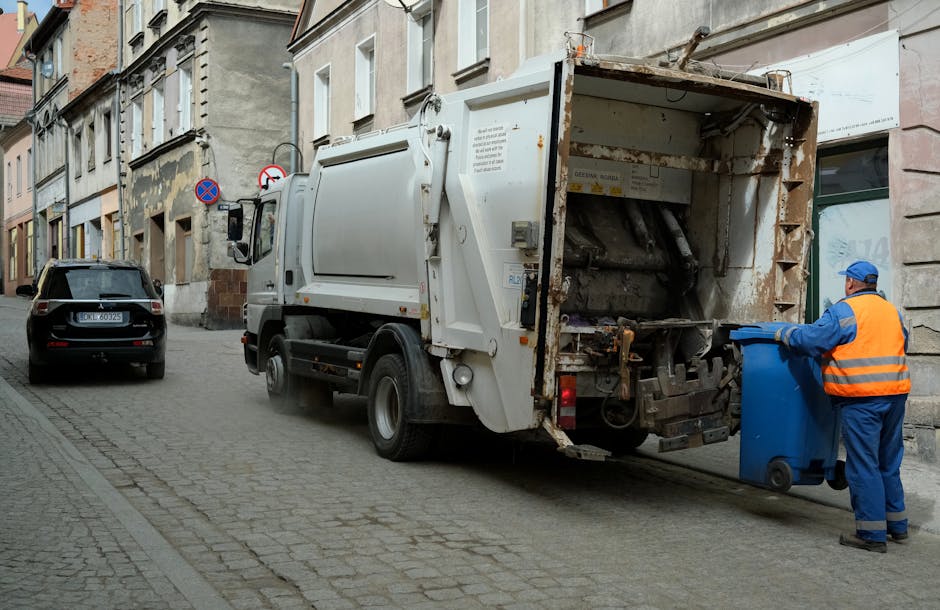
Croydon Council rubbish rules for Addiscombe homes and businesses
If you live or work in Addiscombe, rubbish rules can feel simple right up until you're standing next to a pile of black bags, an old sofa, or a van full of builders' offcuts wondering what counts as acceptable, what needs special handling, and what Croydon Council will actually allow. That's the point where things get messy fast. This guide explains Croydon Council rubbish rules for Addiscombe homes and businesses in plain English, so you can stay compliant, avoid avoidable charges, and handle waste without the usual headache.
Whether you're clearing a flat, running a shop, dealing with office shredding, or trying to get rid of garden cuttings after a wet weekend, the practical questions are usually the same: what goes where, what can't go in the bin, and when it's smarter to use a professional clearance service. Let's make it straightforward.
Table of Contents
- Why Croydon Council rubbish rules for Addiscombe homes and businesses Matters
- How Croydon Council rubbish rules for Addiscombe homes and businesses Works
- Key Benefits and Practical Advantages
- Who This Is For and When It Makes Sense
- Step-by-Step Guidance
- Expert Tips for Better Results
- Common Mistakes to Avoid
- Tools, Resources and Recommendations
- Law, Compliance, Standards, or Best Practice
- Options, Methods, or Comparison Table
- Case Study or Real-World Example
- Practical Checklist
- Conclusion
- Frequently Asked Questions
Why Croydon Council rubbish rules for Addiscombe homes and businesses Matters
Rubbish rules matter because waste is one of those everyday issues that can quietly become expensive, stressful, or even non-compliant if you leave it too long. In Addiscombe, that might mean a missed collection, an overloaded bin store, fly-tipped waste near a property, or a business storing waste in the wrong way at the wrong time. None of that is dramatic on day one, but it adds up.
For households, the main issue is usually convenience and cleanliness. Overflowing bins attract pests, create odours, and make front gardens or communal entrances look untidy. For businesses, the stakes are higher. Waste affects customer impressions, staff safety, landlord requirements, and the ability to keep a tidy trading environment. A cafe with bags stacked outside the back door before opening time, for example, doesn't just look unprofessional. It can create health, access, and nuisance problems too.
There's also a local reality to consider. Addiscombe has a mix of terraced homes, flats, small commercial units, offices, and shopfronts. That means the same waste rule can play out very differently from one street to the next. A block with shared bins has different pressure points from a single house with a front drive. And a business generating packaging, cardboard, and food waste has different needs again.
Practical takeaway: the right rubbish setup saves time, reduces hassle, and helps avoid disputes with neighbours, landlords, or managing agents. Simple as that.
How Croydon Council rubbish rules for Addiscombe homes and businesses Works
At a practical level, rubbish rules are about separation, presentation, collection, and disposal. That sounds a bit formal, but it's really just a set of habits: putting the right items in the right place, at the right time, in the right container.
For most homes, that means using the bins or collection services provided for everyday household waste, recycling, and garden waste where available. Mixed rubbish, loose items beside bins, and oversized items often need separate handling. In some cases, it may be a booked collection, a reuse option, or a private waste clearance job. The exact setup can vary depending on the property type and access, which is why flats and shared buildings often have more friction than standalone houses.
For businesses, the system is a little more demanding. A business is generally expected to manage its own commercial waste responsibly, keep it secure, and arrange proper collection. That might involve a regular waste contract, separate dry mixed recycling, cardboard collection, food waste arrangements, or specialised services for confidential paperwork or bulky items. If you're running an office, it can be worth looking at office clearance support and confidential shredding if records or paperwork are piling up.
Some items are straightforward. Others aren't. Fridges, sofas, mattresses, plasterboard, paint, electricals, and certain chemical products can all create disposal complications. That's where people get caught out. If you're unsure, it is usually better to pause and check the category of the waste before loading it into the wrong pile.
For bulky household items, services like mattress and sofa disposal, furniture disposal, or broader waste removal can be a cleaner route than trying to improvise. And if the job involves mixed contents from a property, home clearance or house clearance can take a lot of the burden off your hands.
Key Benefits and Practical Advantages
Following the right waste rules does more than keep you on the right side of local expectations. It makes daily life smoother.
- Cleaner kerb appeal: especially important for shops, offices, and rental properties.
- Lower risk of complaints: neighbours are far less likely to raise issues if waste is kept contained and collected properly.
- Less chance of contamination: mixed rubbish can ruin recycling loads, which is frustrating and avoidable.
- Better space management: in Addiscombe flats and small businesses, every square metre matters.
- Safer handling: less lifting, less stacking, fewer sharp edges, fewer awkward trips over bags and boxes.
- More predictable costs: handling waste properly usually costs less than dealing with mistakes, re-collection issues, or emergency clear-ups later.
There's also a mental benefit people don't talk about enough. Once rubbish is sorted properly, the whole place feels calmer. You notice it on a Monday morning when bins aren't overflowing and the back yard doesn't look like a small battlefield. Bit of a relief, honestly.
Who This Is For and When It Makes Sense
This guidance is useful for a wide range of Addiscombe residents and businesses, but some situations call for it more urgently than others.
Homeowners and tenants
If you're clearing out an attic, replacing furniture, or dealing with weekly bin overflow in a busy household, the rules matter because small mistakes become visible quickly. A front path full of black bags is not just untidy; it can annoy neighbours and make collection harder.
Flat residents and managing agents
Flats bring shared responsibility into the picture. One household leaving waste in the wrong place can affect everyone. If you're managing a block, you may need a more structured approach, especially during move-outs. In those cases, flat clearance can be very useful, particularly when communal spaces need to be cleared quickly and respectfully.
Businesses, landlords, and landlords' agents
Shops, offices, salons, workshops, rental properties, and hospitality venues all produce waste differently. A landlord clearing a tenancy, for instance, may need garage clearance, loft clearance, or a whole-property solution rather than a basic bin collection. Businesses with regular waste generation are usually better served by a planned approach through business waste removal.
People dealing with bulky or awkward items
Old wardrobes, broken appliances, garden waste, mattresses, and builders' debris all create problems if you try to fit them into ordinary bins. That's when professional collection becomes the sensible option. If you have white goods, consider fridge and appliance removal. For renovation debris, builders waste clearance is usually the practical route.
Step-by-Step Guidance
If you want a simple process that keeps you out of trouble, follow this order. It's not glamorous, but it works.
- Identify the waste type. Separate household rubbish, recycling, food waste, garden waste, bulky items, and anything hazardous or electrical.
- Check whether it is reusable, recyclable, or disposable. A chair with one loose leg might be cleared differently from a water-damaged sofa. Common sense matters here.
- Keep hazardous or specialist items aside. Paint, chemicals, oils, batteries, fluorescent tubes, and similar items should never be mixed into general waste.
- Measure the volume. A few bags is one thing. A full shed, office, or flat is another. Knowing the amount helps you decide whether council collection, skip use, or clearance is more suitable.
- Match the disposal method to access. Can a vehicle reach the property? Is the waste stored upstairs? Are there stairs, narrow hallways, or a shared entrance? These details matter more than people think.
- Use the correct collection route. For routine rubbish, use the normal household or business system. For bulky or mixed waste, use a dedicated clearance option.
- Keep records where relevant. Businesses should maintain proof of responsible waste handling, especially for regular or regulated waste streams.
- Review what worked. If waste keeps building up in the same place, the collection method needs adjusting.
One very practical tip: do the sorting before the bags get heavy. A mixed pile in the hallway becomes a nuisance; a sorted pile in the morning is just a task. Slight difference, massive stress reduction.
Expert Tips for Better Results
Most rubbish problems in Addiscombe are not caused by a single huge mistake. They come from lots of little oversights. Here's how to stay ahead of them.
- Plan bulky clearances before the pile grows. The difference between "one old sofa" and "the spare room is full" is your weekend, basically.
- Use separate bags or zones. Keep recycling, general waste, and bulky items apart from the start.
- Protect communal areas. In flats and shared premises, don't let waste linger in hallways, stairwells, or shared courtyards.
- Watch for hidden specialist waste. People often forget old chargers, batteries, aerosols, or broken electricals tucked in drawers and cupboards.
- Think about timing. If bins are collected early, set reminders the night before. In winter, this matters more than you'd expect. Cold, dark, damp mornings make everyone less patient.
- Choose a service that matches the waste. Furniture, appliances, garden cuttings, and builders' rubble all behave differently in transport and disposal. A good clearance plan respects that.
If you are clearing a property after a move, bereavement, renovation, or tenant departure, a little structure helps enormously. Start with obvious rubbish, then furniture, then lofts, garages, and finally the awkward bits. You will feel the progress, and that counts.
Common Mistakes to Avoid
There are a few classic errors that crop up again and again. To be fair, most of them happen because people are rushing.
- Leaving waste beside bins: this is one of the quickest ways to create a mess and invite complaints.
- Mixing materials carelessly: contaminated recycling can mean the whole load is less useful.
- Assuming all bulky waste is treated the same: a mattress is not a wardrobe, and a fridge is not garden waste.
- Forgetting about business responsibilities: commercial premises need a more deliberate approach than a household bin routine.
- Overfilling containers: packed-to-the-lid bins and overloaded sacks are awkward, unstable, and sometimes rejected.
- Ignoring access issues: narrow stairs, shared entrances, parking limits, and loading restrictions can make a simple job harder than expected.
- Storing waste too long: especially food waste or wet waste. It turns quickly, and then the smell does the persuading for you.
One slightly unglamorous truth: waste management often fails because nobody "owns" the problem. Once a household, landlord, or manager assigns responsibility clearly, things tend to improve almost immediately.
Tools, Resources and Recommendations
You do not need a big toolkit, but a few practical aids make compliance much easier.
- Simple labels or bins: use them to separate recycling, general waste, and special items.
- Heavy-duty sacks: useful for mixed household waste, but don't overpack them.
- Gloves and basic protective gear: especially for lofts, garages, and garden clearances.
- Measuring tape: helpful when estimating a clearance load or bulky item size.
- Notes app or checklist: ideal for landlords, office managers, and anyone coordinating a move-out.
For larger jobs, it can be worth comparing a few waste handling routes. If the job is straightforward and domestic, a normal bin or council collection may be enough. If the waste is mixed, bulky, or time-sensitive, pricing and quotes can help you gauge the most sensible route before things get out of hand.
For customers who want to understand what can be loaded safely and sensibly, what can go in a skip is also a useful reference point, especially for mixed renovation or household loads. And if sustainability matters to you - as it should - recycling and sustainability is worth considering as part of the decision.
Law, Compliance, Standards, or Best Practice
Waste handling in the UK is not just about tidiness; it also sits within a broader framework of duty, care, and responsible disposal. For households, the practical expectation is simple: keep waste contained, follow collection guidance, and avoid placing prohibited items into general rubbish or recycling streams.
For businesses, the standard is more demanding. Commercial premises should arrange lawful waste collection, avoid unauthorised dumping, and keep waste secure so it does not become a nuisance or a safety issue. In plain terms, if your business creates the waste, your business needs a proper way to deal with it.
Special care is needed for items that may be classed as hazardous or require separate handling. That includes many chemicals, certain electricals, oily materials, and some construction waste. Where there is any doubt, it is better to treat the item cautiously rather than guessing. Guessing and rubbish do not make a good team, let's face it.
Good practice also includes keeping access routes clear, not blocking communal fire exits, and ensuring waste doesn't create slip, trip, or lift risks. For workplaces, that matters for both staff wellbeing and day-to-day operations. If your rubbish handling involves internal movement, lifting, or frequent collections, it is sensible to look at health and safety policy and insurance and safety information as part of your due diligence.
Options, Methods, or Comparison Table
Choosing the right waste route in Addiscombe usually comes down to volume, type, access, and urgency. Here is a simple comparison to help you decide.
| Method | Best for | Pros | Limitations |
|---|---|---|---|
| Household bins/normal collections | Routine domestic waste and standard recycling | Simple, familiar, low effort | Not suitable for bulky items, specialist waste, or large clearances |
| Business waste collection | Offices, shops, salons, hospitality, and recurring waste | Regular, predictable, suitable for trading premises | Requires proper setup and ongoing management |
| Bulky item clearance | Sofas, beds, appliances, furniture | Efficient for large awkward items | May need separate booking or item-specific handling |
| Full property clearance | Moves, voids, probate, deep declutters | Covers mixed waste in one go | Needs more planning and access coordination |
| Skip or load-based removal | Renovations, garden work, mixed heavy waste | Useful for ongoing or larger projects | Needs space, correct loading, and care with restricted items |
For many Addiscombe households, the choice is between a small one-off clearance and a more comprehensive property clean-out. For businesses, it is often between routine collection and a tailored waste stream. In both cases, the right answer is the one that fits the actual waste, not the one that sounds easiest on paper.
Case Study or Real-World Example
Imagine a small Addiscombe office that has spent three years collecting old monitors, tangled cables, archive boxes, a broken desk fan, and a couple of worn-out chairs in the back room. At first, it looks manageable. Then staff start using the room for storage because there's nowhere else to put things. Before long, the back room becomes a dead space.
The problem is not just clutter. It's access, fire safety, and morale. Nobody wants to squeeze past boxes every morning with a coffee in one hand and a laptop in the other. The sensible fix is to separate what can be reused, what needs secure handling, and what is simply waste. A combination of office clearance and confidential shredding can clear the room properly, reduce the security risk, and give the business a more usable space.
A similar thing happens in homes. A family clears a garage one Saturday, starts with a few bags, then uncovers old toys, a broken mower, garden waste, and an appliance that "will probably be useful one day" - which is the classic last line of defence. Once sorted, the garage becomes usable again. There's a genuine emotional lift there, even if it starts with dust, spiders, and a bit of grumbling.
That's the real point. Good rubbish management gives you space back.
Practical Checklist
Use this checklist before you put waste out, book a clearance, or plan a business disposal route.
- Have I separated household waste, recycling, and bulky items?
- Is any item hazardous, electrical, sharp, or likely to need special handling?
- Are communal areas, entrances, and pavements kept clear?
- Do I know whether this is a one-off clear-out or a recurring waste stream?
- Have I estimated the amount of waste realistically?
- Do I need help with furniture, appliances, garden waste, or building debris?
- For business waste, do I have a lawful, regular collection plan in place?
- Are there any timing issues with collection day, access, or parking?
- Have I checked whether reuse or recycling is possible before disposal?
- Do I need a quote for a larger or mixed job?
For many readers, the answer to the last question is yes. Once waste becomes mixed, heavy, or awkward, it is usually time to stop improvising.
Get a free quote today and see how much you can save.
Conclusion
Croydon Council rubbish rules for Addiscombe homes and businesses are really about keeping waste under control in a busy local area where homes, flats, shops, and offices sit close together. When you get the basics right - sorting waste properly, keeping it contained, and choosing the right disposal method - everything becomes easier. Less mess, fewer complaints, fewer surprises.
If you are dealing with a straightforward weekly bin routine, keep it simple and consistent. If you are facing bulky furniture, a flat clearance, office clutter, garden waste, or builders' debris, take the more practical route and use a service designed for that kind of load. It saves time, and usually a fair bit of stress too.
And if you are standing in the middle of a half-cleared room wondering where to start, start small. One bag, one corner, one job at a time. That's how the mess gives up.
Frequently Asked Questions
What are Croydon Council rubbish rules for Addiscombe homes and businesses?
They are the local waste expectations that tell residents and businesses how to store, separate, and dispose of rubbish responsibly. In practice, that means using the right bins or collection method, keeping waste contained, and handling bulky or specialist items properly.
Can I leave rubbish beside the bins if they are full?
Usually, no. Waste left beside bins is a common cause of mess, complaints, and collection problems. If bins are consistently full, the amount of waste or the collection method probably needs reviewing.
What should Addiscombe businesses do with commercial waste?
Businesses should arrange proper commercial waste collection and keep waste secure on site. Offices, shops, cafes, and similar premises usually need a more structured plan than a household bin routine.
What counts as bulky waste?
Bulky waste is usually anything too large, awkward, or heavy for normal bins. Sofas, mattresses, wardrobes, appliances, and large garden items are common examples.
Can I put electrical items in normal rubbish?
Generally, no. Electrical items often need separate handling because they can contain components that should not go into general waste. Fridges, TVs, small appliances, and similar items should be treated carefully.
Do flats in Addiscombe have different rubbish problems from houses?
Yes, often they do. Flats usually involve shared bin stores, communal access, and more pressure on space. One household's mistake can affect the whole building, which is why organised clearance matters so much in shared properties.
What if I have a lot of mixed waste after a clearance?
That is where a dedicated clearance service becomes useful. Mixed loads from homes, flats, lofts, garages, or offices are often easier to handle through a one-off collection rather than trying to break everything into ordinary bins.
Is garden waste treated the same as general rubbish?
Not usually. Garden waste is often better kept separate from general household rubbish so it can be handled more efficiently. Wet clippings, branches, soil, and bags of garden debris can also behave very differently in storage and transport.
What should I do with old furniture?
Old furniture should be assessed for reuse, donation, or proper disposal. If it is too worn, damaged, or bulky, a furniture-specific clearance route is often the easiest solution.
How do I avoid contamination when sorting rubbish?
Keep recycling clean and separate from food waste, liquids, and non-recyclable items. It helps to set up clear containers or zones early, before the waste pile becomes unmanageable.
Do I need a professional clearance service for a house move?
Not always, but it is often helpful if you are dealing with large volumes, awkward furniture, loft clutter, or tight timeframes. Services like house clearance or home clearance are particularly useful when the moving day countdown is already tight.
What is the safest approach if I am unsure about an item?
Set it aside and do not mix it into general waste until you know how it should be handled. If in doubt, treat the item cautiously and choose the safer disposal route.